April 29, 2026
Swimming pool installation represents a major home improvement requiring months of work, significant property disruption, and coordination among multiple trades completing various phases. Many homeowners feel uncertain about what pool construction actually entails, wondering about timelines, processes, and how installations affect daily life. Understanding what to expect during professional pool installation helps you prepare for disruptions while recognizing whether projects proceed normally or encounter problems. The difference between smooth installations and problematic experiences often comes down to knowing what's normal versus what requires intervention or concern. Learning what each construction phase involves empowers you to monitor progress effectively while maintaining realistic expectations throughout lengthy installation processes.
Conducting Initial Site Evaluation and Design
According to Bob Vila, an online home improvement resource, pools typically take eight to 12 weeks to construct completely. Professional site evaluation examines soil conditions, drainage, utilities, setbacks, and access affecting pool placement, size, and construction approaches throughout projects. This assessment identifies potential complications, including poor soil, high water tables, or utility conflicts requiring design modifications or additional expenses. The thoroughness that proper planning demands prevents surprises during construction when problems cost far more to address than during design. A qualified local swimming pool contractor conducts comprehensive site assessments before finalizing designs, ensuring plans accommodate actual property conditions rather than ideal assumptions. They identify utility locations, assess soil stability, verify setback compliance, and determine access routes for equipment throughout construction, requiring careful planning. The site expertise they bring prevents design problems that construction reveals when inadequate planning overlooks conditions affecting feasibility, costs, or required modifications.
Obtaining Necessary Permits and Approvals
Pool construction requires building permits, electrical permits, and sometimes additional approvals from homeowners' associations or local boards governing construction activities. These regulatory requirements protect homeowners by ensuring work meets codes while verifying projects comply with zoning restrictions affecting property improvements. The permitting process that compliance demands takes weeks sometimes, delaying construction starts while approvals proceed through bureaucratic channels, requiring patience. An experienced local swimming pool contractor handles all permitting, coordinating with authorities, and ensuring applications include the documentation that approval processes require for authorization. They understand local requirements, maintain relationships with officials, and navigate processes efficiently, preventing delays that incomplete applications or unfamiliarity create. The permitting expertise they possess streamlines approvals while ensuring compliance that inspections will verify throughout construction phases requiring official oversight and verification.
Preparing Sites Through Excavation
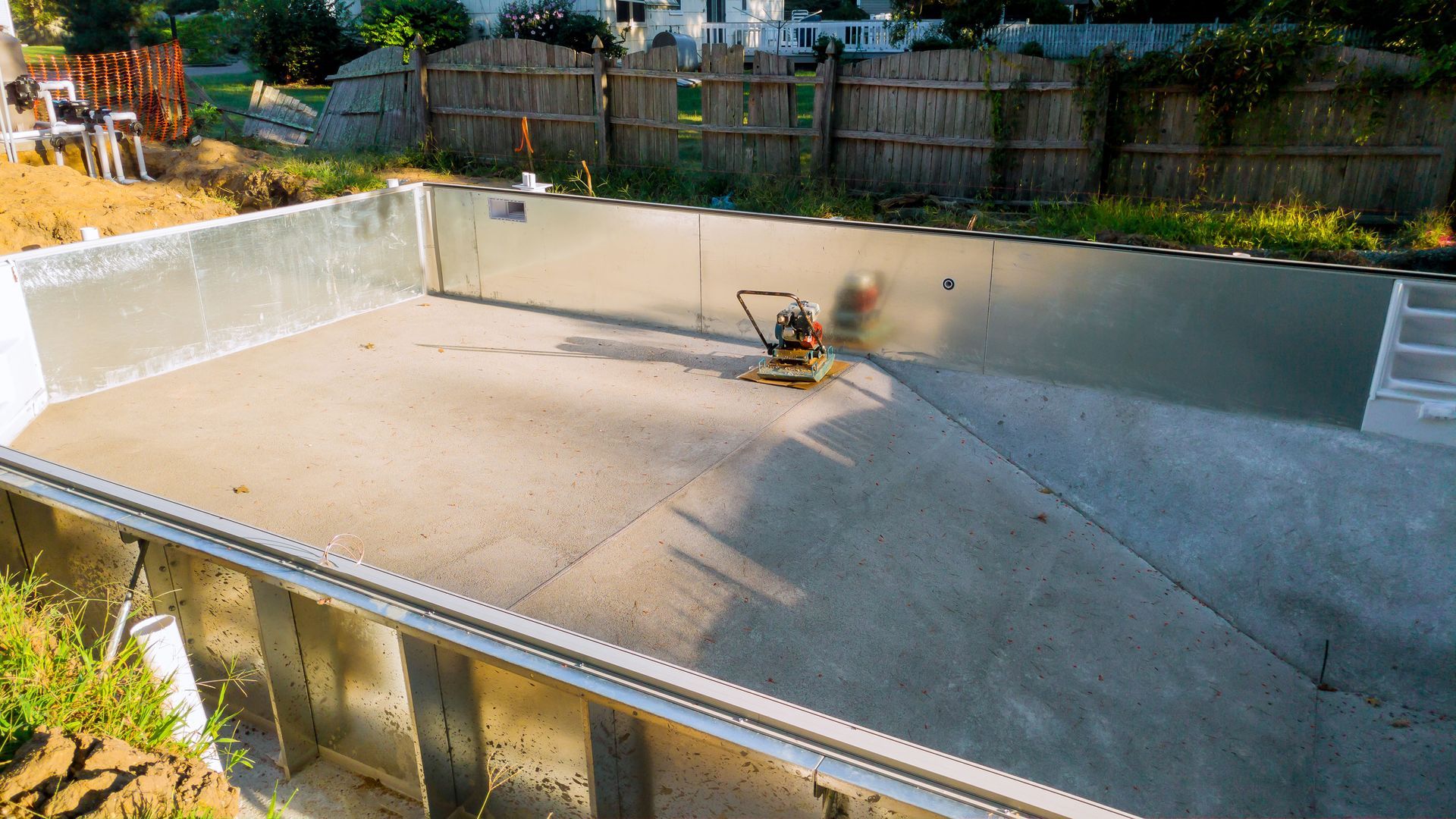
Excavation creates holes for pools, requiring heavy equipment that damages lawns, creates noise, and blocks property access during digging phases. This earth-moving work proves messy and disruptive, with dirt piles, equipment tracks, and construction activity affecting properties substantially during initial phases. The excavation disruption that installation begins with proves among the most visually dramatic phases, fundamentally altering yards through the digging required. A professional pool contractor coordinates excavation carefully, protecting structures, utilities, and landscaping while removing soil that pool volumes displace during construction processes. They locate utilities precisely, ensure proper depths and slopes, and dispose of or redistribute excavated material according to plans and regulations. The excavation management they provide prevents utility damage, structural problems, and the complications that careless digging creates through inattention to underground hazards.
Installing Plumbing and Electrical Systems
Underground plumbing and electrical work occur before structural installation, requiring trenching, conduit placement, and connections that later work buries permanently beneath surfaces. These systems must be installed correctly initially, as accessing buried components later requires expensive demolition when problems develop from poor installation. The infrastructure installation that proper construction demands proves critical despite remaining invisible once pools are complete and landscaping restores yard appearances. A detail-oriented local swimming pool contractor installs all plumbing and electrical systems according to codes, using quality materials and proper techniques, ensuring reliable operation. They pressure-test plumbing, verify electrical connections, and ensure all systems function correctly before burial, which prevents easy access for corrections or repairs. The installation quality they deliver prevents the leaks and electrical problems that poor workmanship creates, requiring expensive excavation for corrections after completion.
Forming and Installing Pool Structures
Gunite pools require steel reinforcement and sprayed concrete applications for building structures, while fiberglass installations lower pre-formed shells into excavated holes carefully. This structural work creates actual pool shapes, with construction methods varying dramatically between gunite and fiberglass approaches, requiring different timelines and techniques. The structural installation that this phase involves proves critical for long-term durability, as poor work creates leaks or structural failures. A skilled local swimming pool contractor builds pool structures using appropriate methods for chosen pool types, ensuring proper reinforcement, material application, and curing. They maintain quality control throughout structural work, verifying steel placement, concrete strength, or fiberglass condition before proceeding to subsequent construction phases. The structural expertise they demonstrate ensures pools withstand water pressure, soil movement, and time without the failures that poor construction creates.
Completing Decking and Coping Installation
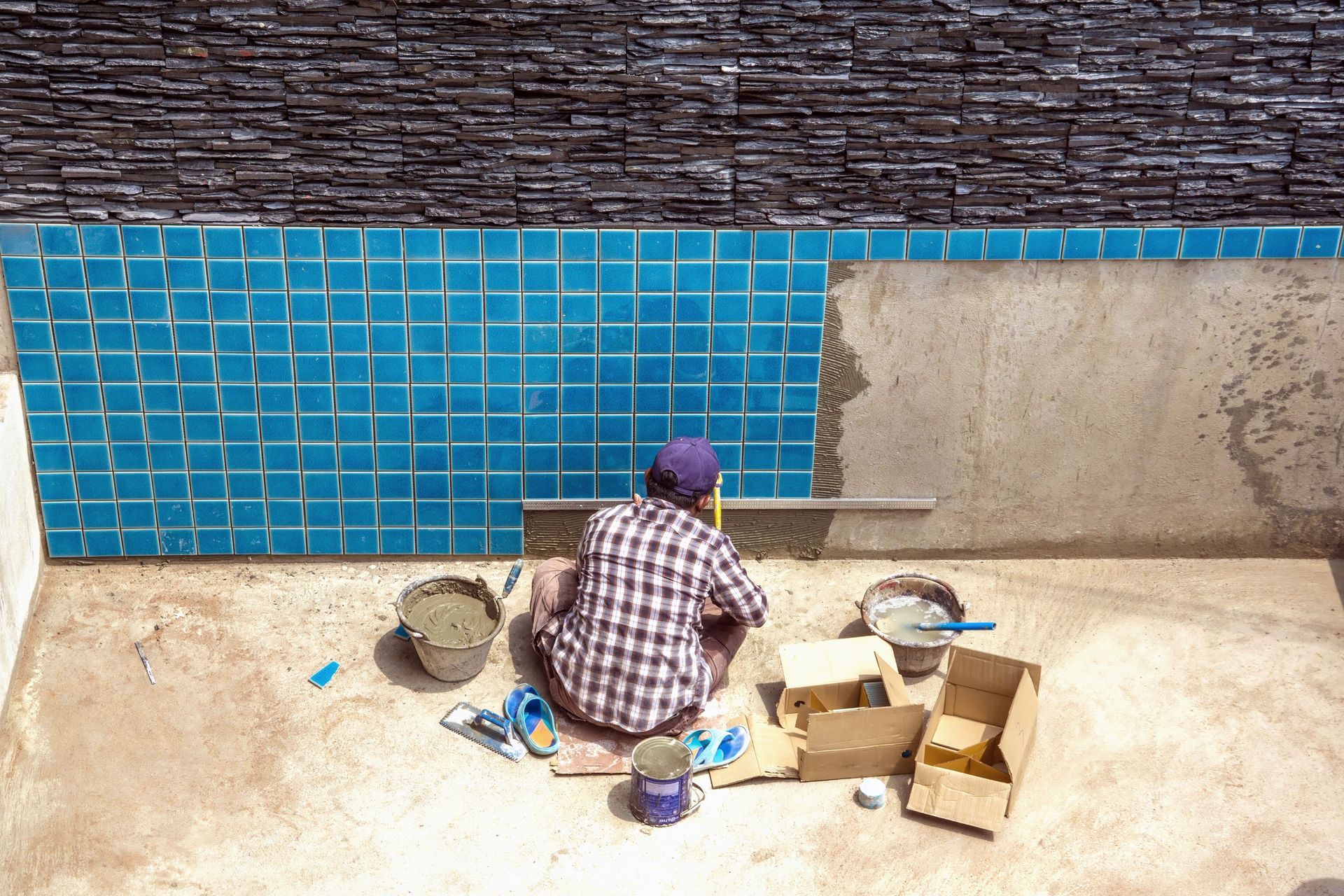
Pool decking and coping create finished edges, provide walking surfaces, and complete pool perimeters with materials matching designs and budgets. These finishing elements require precision installation, as improper slopes cause drainage problems while poor adhesion creates safety hazards from loose materials. The decking quality that proper installation delivers affects both aesthetics and safety, making skilled work essential for satisfactory long-term performance. A finishing-focused local swimming pool contractor installs decking and coping with attention to drainage, safety, and appearance that quality demands throughout these visible elements. They ensure proper slopes directing water away from pools, create smooth transitions, and verify secure adhesion, preventing the movement that creates hazards. The finishing skills they apply create attractive, functional pool surrounds rather than the drainage problems and loose materials that poor installation creates.
Installing Equipment and Finishing Interior Surfaces
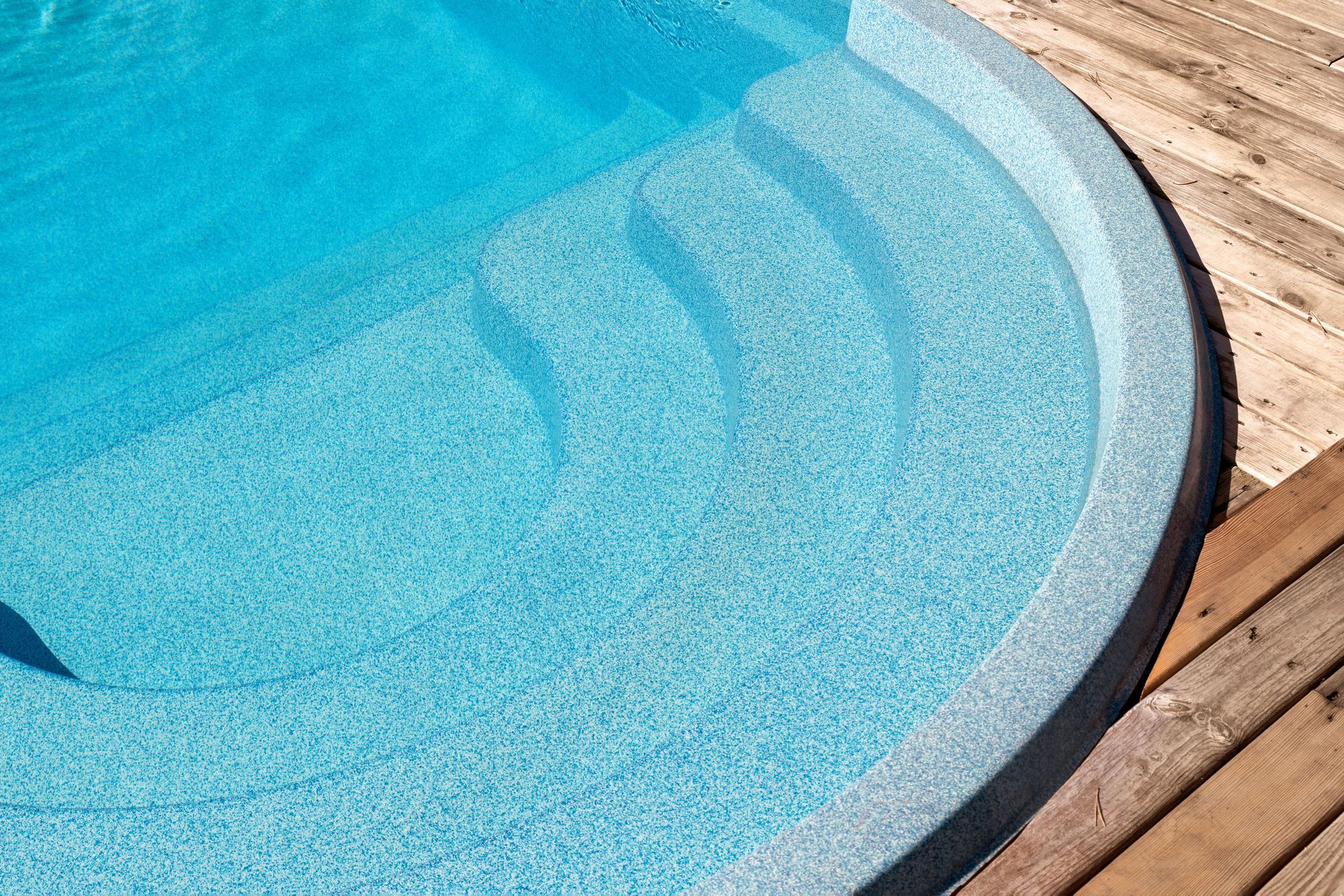
Pumps, filters, heaters, and automation equipment require proper installation, wiring, and plumbing, ensuring efficient, reliable operation throughout pool lifespans and seasons. Interior finishes, including plaster, pebble, or vinyl liners, complete pool surfaces, creating smooth, attractive interiors that require water contact. The equipment and finishing work that the final construction phases involve determine operational efficiency and the appearance that daily use reveals throughout ownership. A systems-savvy local swimming pool contractor installs all equipment properly, ensuring adequate capacity, efficient operation, and easy maintenance access throughout systems designed for longevity. They apply interior finishes carefully, creating smooth surfaces without defects that affect appearance or comfort during swimming and pool activities. The installation precision they maintain ensures equipment operates efficiently while finishes look attractive and feel smooth throughout pools, ready for filling.
Filling Pools and Starting Chemical Balancing
Initial filling requires thousands of gallons, taking hours or days depending on water sources and pool sizes requiring substantial volumes. Chemical balancing begins immediately, establishing proper pH, alkalinity, and sanitizer levels that water quality requires for safe, comfortable swimming conditions. The startup process that new pools require proves critical for long-term water quality, as initial chemistry affects how easily pools maintain balance. A water-chemistry-knowledgeable local swimming pool contractor supervises initial filling, testing water, and establishing the proper chemical balance that safe swimming and equipment protection require. They provide detailed instructions about ongoing maintenance, explain chemical testing, and ensure owners understand what pool care involves for water quality. The chemistry education they offer helps owners maintain pools properly, preventing the water quality problems that chemical imbalances create without proper management.
Understanding what pool installation involves helps homeowners prepare for the process while recognizing what proves normal versus what requires concern. The comprehensive approach that professional contractors employ delivers quality installations that DIY attempts or unqualified builders cannot match, despite lower costs. Making informed decisions about pool contractors ensures your investment receives the expert attention that successful long-term pool ownership requires. Whether you need gunite swimming pools, fiberglass pools, or pool cleaning and maintenance, Top Tier Pools, LLC offers a 3-year parts and labor warranty, provides free onsite consultations, and gives free estimates. For more information, contact us today!