April 16, 2026
Maintaining a swimming pool is essential for both safety and enjoyment. Without consistent care, pools can quickly become a breeding ground for algae, bacteria, and other harmful pathogens that pose real health risks. Whether you are a first-time pool owner or have years of experience, following proven pool maintenance practices will help you sustain clean, clear water and a safe swimming environment all season long.
Understand Pool Chemistry
A clear understanding of pool chemistry is the foundation of effective pool maintenance. The pH level of the water should ideally fall between 7.2 and 7.8, a range that supports both swimmer comfort and chemical effectiveness. High pH can lead to scaling, while low pH may cause equipment corrosion — both of which compromise water clarity and require regular attention.
Chlorine serves as the primary sanitizer in swimming pools, killing bacteria and controlling algae growth to keep the water hygienic. Maintaining proper alkalinity provides a buffer that stabilizes pH levels and helps chemicals perform as intended. Pool owners should test these levels weekly and make adjustments as needed to keep everything in balance.
Follow a Regular Cleaning Routine
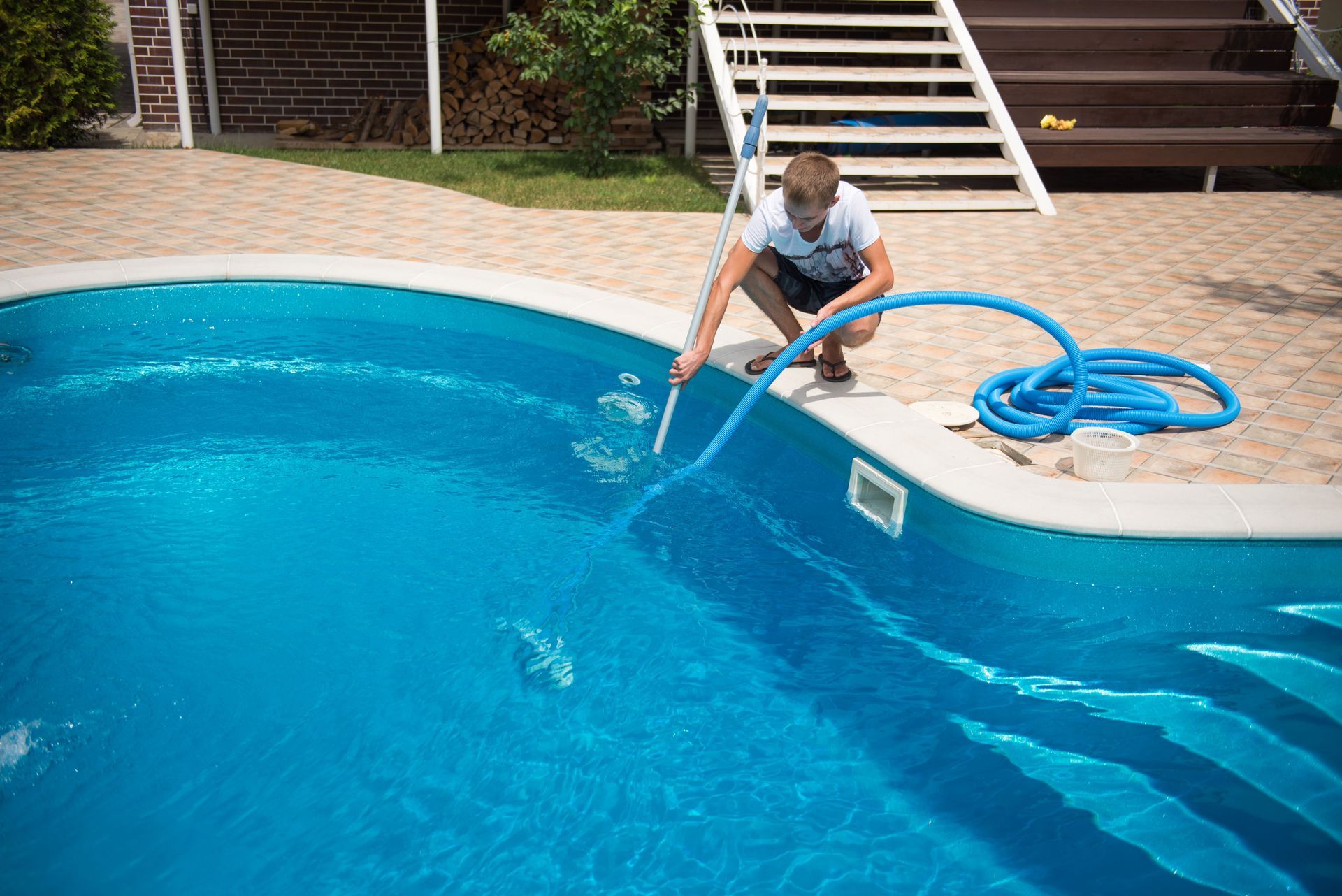
Consistent cleaning is one of the most important aspects of pool maintenance, and it begins at the surface. Skimming daily removes leaves, insects, and other debris before they can decompose and cloud the water. Regular brushing of pool walls helps eliminate dirt and early-stage algae growth that cling to surfaces, keeping the pool looking clean and inviting.
Vacuuming the pool floor addresses debris that skimming cannot reach, preventing sediment from building up in deeper areas. Manual vacuums and automated cleaning machines are both effective options for keeping the floor clear. Cleaning the pool's filters is equally essential, as they are responsible for trapping impurities that circulate through the water. Whether you have a cartridge, sand, or diatomaceous earth filter, each type requires its own specific maintenance procedure to remain effective.
Skimmer baskets are often overlooked but serve as the first line of defense in the filtration process, capturing large debris before it reaches the system. Clearing these baskets regularly helps maintain strong water circulation and efficient filtration. Establishing a consistent daily and weekly cleaning schedule keeps the pool in peak condition, reducing the likelihood of algae infestations, cloudy water, and other common problems. These combined efforts go a long way in protecting both the pool and the experience of everyone who uses it.
Maintain Effective Pool Filtration
Selecting the right filter type is a critical decision for any pool owner. Sand filters are durable and straightforward to maintain, cartridge filters offer efficient filtration with lower energy demands, and diatomaceous earth filters provide the finest level of particle removal. Each option suits different pool sizes and usage levels, so choosing the right fit makes ongoing pool maintenance more manageable.
Backwashing is an essential step for sand and DE filters, reversing water flow to flush out trapped debris and restore filtration efficiency. This process should be performed approximately once a month or whenever pressure gauge readings indicate it is needed. Cartridge filters require periodic disassembly and thorough rinsing to maintain their performance. Staying on top of these tasks preserves the life and effectiveness of the filtration system.
Sand in sand filters typically needs to be replaced every five to seven years to ensure continued filtering performance. Regular inspections for cracked components, clogged media, or other signs of wear help catch issues before they escalate into larger problems.
Address Common Pool Problems
Algae blooms are among the most common pool problems and are usually the result of inconsistent maintenance, poor filtration, or chemical imbalances. Regular water testing and timely chemical adjustments significantly reduce the risk of algae taking hold. When algae does appear, brushing affected surfaces and applying a shock treatment to temporarily elevate chlorine levels are effective first responses. Algaecides can also be used as a preventive measure between treatments to help keep algae from returning.
Cloudy water is another frequent issue, typically caused by imbalanced chemicals or a dirty filtration system. Correcting pH and chlorine levels and keeping filters clean will resolve most cases. Shock treatments are a useful tool for breaking down organic contaminants that contribute to cloudiness. If the problem persists, a more thorough pool inspection may be needed to identify an underlying cause.
Pool stains, which can result from metals, algae, or other materials, require identification before treatment, as organic and metallic stains respond to different solutions. Brushing combined with appropriate stain removal products is generally effective. Leaks represent a more serious concern that can compromise the pool's structure and should be addressed promptly by locating the source and applying the right repair method. Pool odors are often caused by high chloramine levels and can typically be resolved through shock treatment or improved ventilation. Consistent vigilance and quick action are the most reliable tools for managing these common issues.
Prepare for Seasonal Changes
Seasonal shifts require adjustments to your pool maintenance approach to keep the pool protected year-round. Winterizing the pool involves lowering water levels, balancing chemistry, and covering the pool to shield it from debris and cold weather. Winterization chemicals help prevent algae growth and corrosion during the months when the pool is not in use, and periodic winter checks ensure the cover remains secure and clear of heavy debris.
Reopening the pool in spring means reversing winterization steps, rebalancing chemicals, refilling water to the proper level, and restarting the filtration system. Any damage sustained over the colder months should be assessed and repaired before the pool is put back into regular use. Summer's higher usage demands more frequent monitoring of chemical levels and an uptick in cleaning frequency to maintain water clarity.
As fall arrives, leaf removal and chemical adjustments help preserve water balance as temperatures begin to drop. Keeping consistent records of chemical levels throughout the year supports better decision-making and helps identify patterns before they become problems.
Prioritize Pool Safety
A safe pool environment starts with the right physical safeguards in place. Barriers, pool alarms, non-slip surfaces, and safety covers all serve as important defenses against accidental injuries. Clear signage with safety instructions ensures that all users understand proper pool conduct and know what to do in an emergency. These measures work together to create a secure and well-managed pool area.
According to RubyHome, an online real estate resource, swimming pools have the potential to increase a home's value by as much as 7%. Protecting that investment means taking safety seriously through regular inspections of ladders, decks, and electrical systems to ensure everything remains in operable condition. Emergency preparedness — including first aid kits, rescue equipment, and CPR training — gives pool owners the tools to respond quickly and effectively when accidents occur.
Proper chemical storage is also a key element of pool safety. Chemicals should be kept in secure, well-ventilated spaces away from sunlight and moisture, and containers should be clearly labeled. Educating all pool users on safety protocols and emergency procedures reinforces a culture of responsibility around the water. When safety practices are consistently communicated and followed, the pool becomes a safer environment for everyone who uses it.
Effective pool maintenance is what stands between a clean, safe swimming environment and one that poses risks to health and property alike. By staying consistent with water chemistry, cleaning routines, filtration upkeep, seasonal preparation, and safety practices, pool owners can enjoy clear water and peace of mind throughout the entire swimming season.
If you are ready for expert help keeping your pool in top condition, contact us at Top Tier Pools, LLC today. We will help you develop a reliable pool maintenance plan that keeps your water clean, safe, and ready to enjoy all season long.