October 10, 2026
Adding a swimming pool to a residential property can create opportunities for recreation, relaxation, exercise, and outdoor entertainment. However, planning a successful project requires more than choosing a pool shape or deciding where to place lounge chairs. Homeowners must evaluate their available space, budget, property conditions, maintenance expectations, and long-term plans before pool installation services. Scheduling pool installation services without considering these factors can lead to unexpected expenses, design compromises, or delays during the building process. A well-planned project starts with understanding how a pool will fit into the existing landscape and how the installation may affect other outdoor features. Homeowners should also consider local regulations, equipment requirements, and the time required to complete construction. By addressing these details early, property owners can establish realistic expectations and make informed decisions throughout the project.
1. Evaluating Available Space and Pool Placement
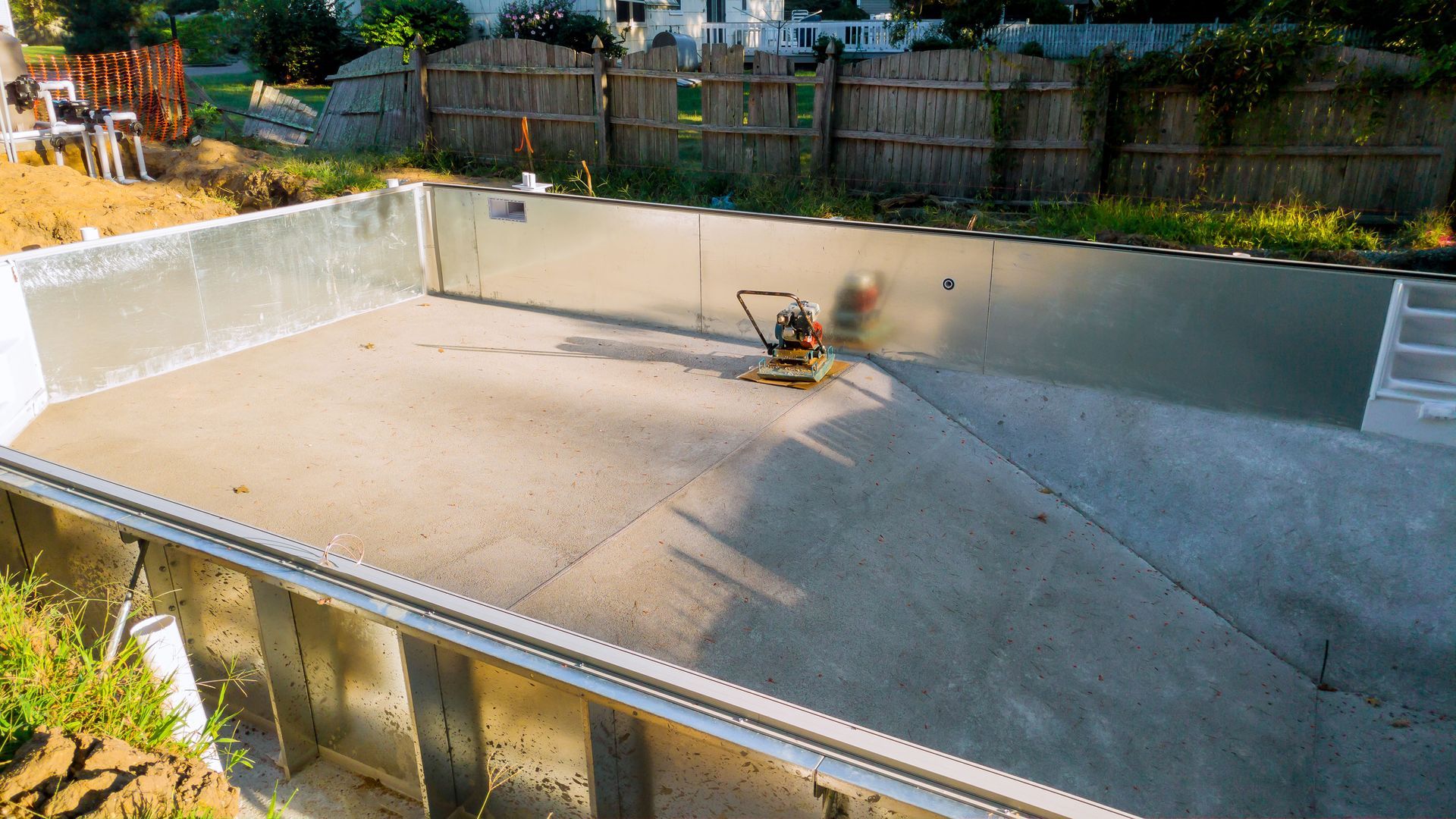
The amount of usable yard space is one of the first considerations when planning a swimming pool. Homeowners should measure the proposed installation area and account for existing structures, landscaping, fences, patios, and other permanent features. The pool should fit comfortably within the yard without making the surrounding outdoor space difficult to use. Property owners may also want room for seating areas, outdoor kitchens, walkways, or future landscaping improvements. Sun exposure is another factor, as nearby trees and buildings can affect water temperature, shade, and the amount of debris entering the pool. Contractors can assess the property's layout to identify suitable placement options and potential obstacles. Access for construction equipment must also be considered because limited access can affect the installation process. Careful site planning for pool installation services helps establish a practical layout that accommodates both the swimming pool and the property's other outdoor features.
2. Establishing a Realistic Installation Budget
A swimming pool represents a significant investment, so homeowners should determine a realistic budget before scheduling construction. The overall cost can vary depending on pool size, construction materials, design complexity, excavation requirements, and selected features. Fiberglass, vinyl liner, and concrete pools each have different construction characteristics and associated expenses. Homeowners should also account for expenses beyond the pool itself, including decking, fencing, electrical work, plumbing, landscaping, and necessary permits. Optional additions such as lighting, heating, water features, and automated controls may increase the initial project cost. Setting aside a contingency amount can help accommodate unexpected site conditions or construction adjustments. Comparing written estimates can help property owners understand which materials, equipment, and services are included in each proposal. A clearly defined budget makes it easier to prioritize essential features while avoiding commitments that exceed available resources.
3. Understanding Local Permits and Property Requirements
Before construction begins, homeowners need to understand the regulations that apply to their property. Local authorities may require building permits, electrical approvals, barrier installations, inspections, or compliance with specific pool safety standards. Setback requirements can also determine how close a swimming pool may be placed to property lines, buildings, easements, or other structures. Some communities have homeowners association guidelines that regulate pool placement, fencing, exterior appearance, or construction hours. Property owners should also investigate underground utilities and drainage conditions before approving excavation. Failing to address these requirements early may result in delays, additional costs, or changes to the proposed design. Contractors familiar with the local installation process can help homeowners identify relevant requirements and understand which approvals must be secured. Confirming these details before scheduling pool installation services helps establish a clearer timeline and reduces the likelihood of preventable compliance issues.
4. Comparing Pool Types and Construction Materials
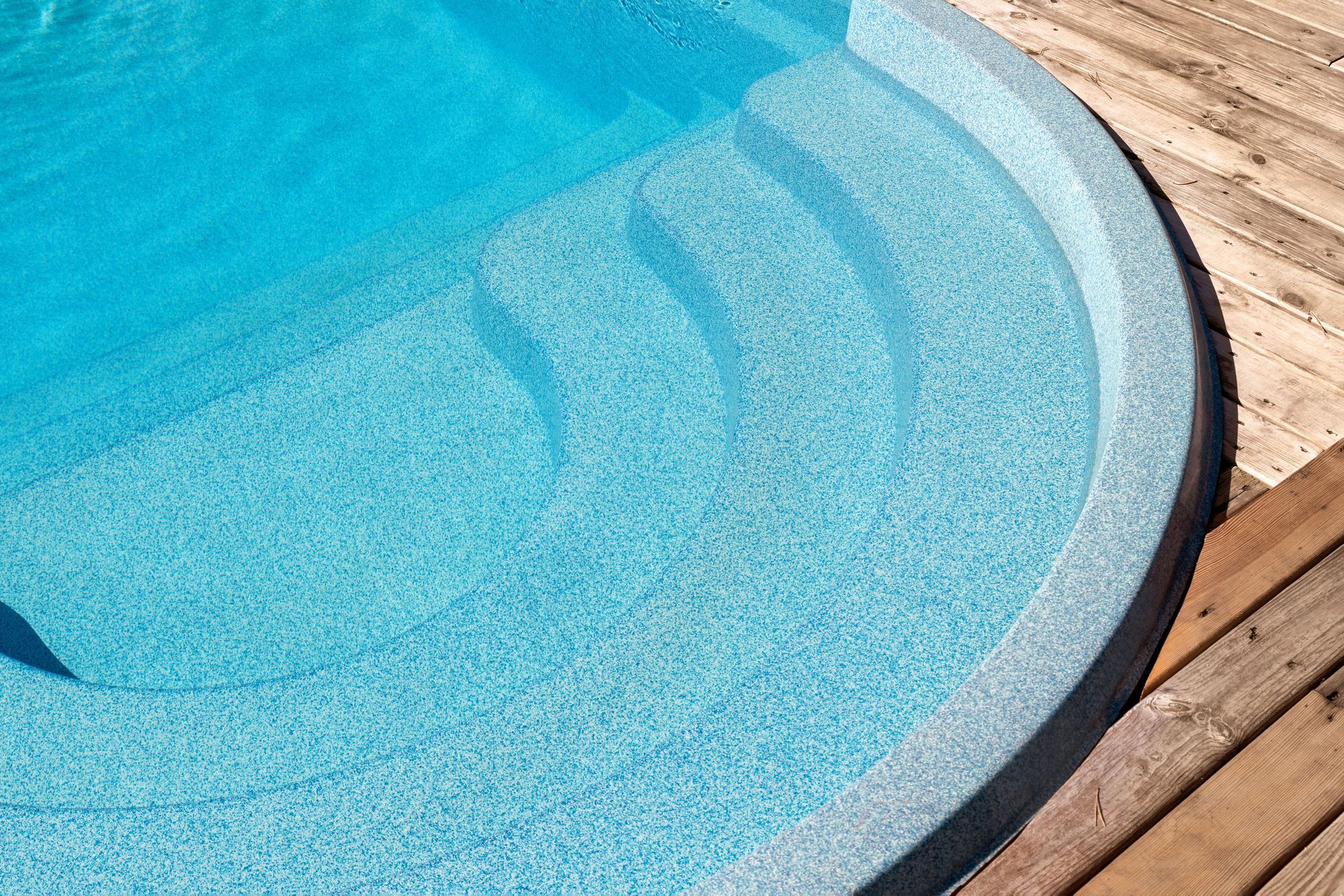
Choosing the right pool type requires evaluating construction methods, available space, personal preferences, and maintenance expectations. Fiberglass pools are manufactured in predetermined shapes and installed as a finished shell, which can limit customization but simplify certain construction stages. Vinyl liner pools offer a range of shapes and sizes, with a flexible liner that may require replacement as it ages. Concrete pools provide considerable design flexibility and can accommodate customized dimensions, depths, and integrated features. However, construction methods, installation timelines, and long-term maintenance requirements differ among these options. Homeowners should consider how the pool will be used, whether for family recreation, exercise, entertaining, or a combination of activities. According to Pool Magazine, the U.S. has approximately 10.7 million swimming pools, reflecting the widespread presence of residential and other swimming facilities across the country. Reviewing the characteristics of each pool type helps homeowners select a design that matches their property's conditions and intended use.
5. Planning Equipment and Energy Efficiency
Pool equipment influences water circulation, cleanliness, operating expenses, and the amount of time required for routine maintenance. A properly sized pump moves water through the filtration system, helping remove suspended debris and maintain circulation throughout the pool. Filters capture unwanted particles, while sanitizing systems help control microorganisms and support appropriate water quality. Homeowners may also consider variable-speed pumps, which can adjust their operating speed to suit different circulation needs. Pool covers can reduce evaporation and help limit heat loss, depending on the cover type and environmental conditions. Heating systems, automated controls, and efficient lighting may provide additional convenience but should be selected according to the property's needs. Contractors can explain equipment options and help determine which components are compatible with the planned pool design. Considering operating costs alongside initial purchase prices helps homeowners make informed decisions about their long-term investment.
6. Preparing for Maintenance and Water Care
Routine maintenance is an essential part of owning a swimming pool, and homeowners should understand these responsibilities before construction begins. Regular tasks commonly include checking water chemistry, removing debris, cleaning the pool surface, and monitoring the filtration system. Water chemistry must be maintained within appropriate ranges to support sanitation, protect pool surfaces, and reduce the risk of equipment damage. The amount of maintenance required can vary according to pool size, surrounding vegetation, weather, usage, and the selected circulation and sanitation equipment. Trees near the pool may increase the amount of leaves and organic debris entering the water. Automated cleaning devices and service arrangements can reduce some routine work, although they do not eliminate every maintenance requirement. Homeowners should also plan for periodic equipment servicing and any surface or component repairs that become necessary over time. Understanding these responsibilities before construction helps ensure that pool ownership remains manageable after installation is complete.
7. Designing Surrounding Outdoor Living Areas
A swimming pool should complement the overall outdoor environment rather than function as an isolated feature. Homeowners may want to incorporate a deck, patio, shaded seating area, outdoor shower, or landscaped border around the water. The layout should provide convenient movement between the pool, the home, and other outdoor amenities. Slip-resistant surfaces and appropriate drainage are important considerations for areas where water may collect or swimmers frequently walk. Landscaping choices should account for root growth, fallen leaves, privacy, and the amount of maintenance required. Lighting can improve visibility around designated walking areas and contribute to the atmosphere during evening use. Pool barriers, gates, and other safety features should be incorporated into the design from the beginning rather than treated as afterthoughts. Planning the surrounding space alongside pool installation services helps create a more cohesive outdoor area that supports everyday use and entertaining.
A successful pool project begins with thoughtful planning, realistic expectations, and a clear understanding of the property's requirements. Evaluating available space, establishing a budget, reviewing local regulations, and comparing pool types can help homeowners make informed decisions before construction starts. Equipment selection, maintenance planning, and outdoor design also influence how well the finished pool meets household needs. Choosing a contractor who communicates clearly and explains the installation process can help homeowners prepare for each stage of the project. Top Tier Pools, LLC can help property owners explore suitable designs and discuss the practical considerations involved in building a swimming pool. Taking time to review these factors makes it easier to organize the project around available resources, desired features, and long-term maintenance needs. Contact us to discuss your backyard plans and learn more about pool installation services tailored to your property and outdoor living goals.