November 21, 2026
Adding a swimming pool to your backyard can transform your outdoor space into a place for relaxation, exercise, and entertainment. However, selecting the right pool requires careful consideration of your property's characteristics, household needs, and long-term financial commitments. Concrete pools are popular among homeowners seeking customized designs, durable construction, and flexibility in choosing features. Unlike prefabricated alternatives, these pools can be designed to accommodate unique layouts and personal preferences. Still, concrete pool installation involves important decisions regarding construction timelines, maintenance, costs, and property requirements. Understanding the advantages and potential challenges can help you determine whether this type of pool is suitable for your backyard. Before beginning your project, consider the following factors that influence the practicality and long-term enjoyment of a concrete swimming pool.
1. Evaluating Your Backyard's Available Space
The size and configuration of your backyard significantly influence whether a concrete pool is a practical addition. Although concrete construction allows considerable design flexibility, the available space must accommodate the pool, surrounding deck, equipment, and required safety features. Property boundaries, landscaping, existing structures, and underground utilities can also affect placement. Homeowners should consider how much outdoor space they want to preserve for gardening, entertaining, or other recreational activities.
A professional site evaluation can help determine the most appropriate pool dimensions and location. Contractors examine accessibility, grading, drainage, and potential construction obstacles before recommending a layout. Smaller properties may accommodate compact plunge pools, while larger yards can support expansive designs with multiple features. Careful planning helps ensure the finished pool complements your backyard without creating unnecessary restrictions on movement or future improvements.
2. Considering Your Preferred Pool Design
One of the primary advantages of concrete pools is their ability to accommodate customized shapes and configurations. Homeowners can select geometric designs, curved edges, varying depths, and distinctive architectural details. This flexibility makes concrete construction particularly appealing when a standard rectangular pool would not suit the property's appearance or intended use. Design options can also incorporate features that complement existing patios, landscaping, and outdoor living areas.
During concrete pool installation, homeowners can explore additions such as tanning ledges, integrated seating, attached spas, and decorative water features. However, every customization influences construction complexity, pricing, and ongoing maintenance requirements. A thoughtful design should balance visual appeal with practical considerations, including swimming space, accessibility, and cleaning needs. Working with experienced professionals helps homeowners identify features that enhance enjoyment without unnecessarily complicating the finished system.
3. Comparing Your Construction Budget
Building a concrete swimming pool represents a substantial financial investment. Costs depend on dimensions, excavation requirements, structural design, finishes, equipment, and additional features. Concrete pools generally require more extensive construction than many prefabricated alternatives, which can increase initial expenses. Homeowners should also account for permits, inspections, electrical work, decking, fencing, and landscaping improvements that may be necessary to complete the project.
Establishing a realistic budget before construction helps prevent unexpected financial pressure. Requesting a detailed estimate allows you to understand which services and materials are included in the proposed price. It is also beneficial to reserve funds for unforeseen site conditions or design adjustments. Although concrete pool installation may involve higher upfront costs, its customization possibilities and long-term durability can make it an appealing investment for homeowners with suitable budgets.
4. Understanding Your Construction Timeline
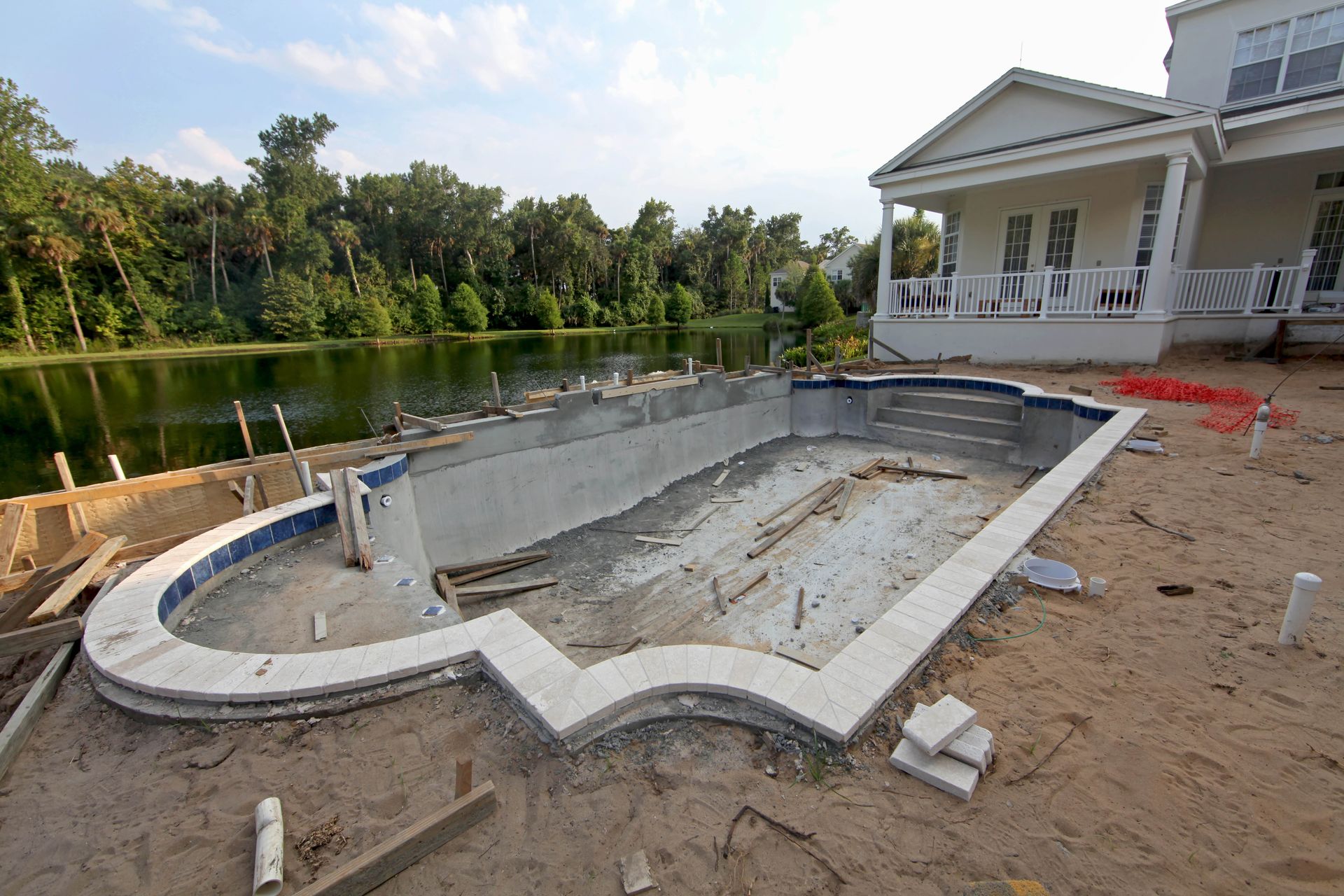
Concrete pools typically require a longer construction process than fiberglass or certain other pool types. Installation involves excavation, structural reinforcement, plumbing, concrete application, curing, finishing, and equipment installation. Each stage must be completed correctly before subsequent work can proceed. Weather conditions, inspection schedules, material availability, and project complexity may also influence the overall timeline. Homeowners should prepare for temporary disruptions to their backyard during construction.
Before committing to a project, discuss scheduling expectations with your contractor. An experienced team can explain the major construction phases and identify factors that might cause delays. If you hope to use your pool for a particular season or upcoming event, beginning the planning process early is especially important. Realistic scheduling allows homeowners to coordinate landscaping projects, outdoor renovations, and other activities around construction.
5. Assessing Your Long-Term Maintenance Responsibilities
Every swimming pool requires regular maintenance to preserve water quality, equipment performance, and structural condition. Concrete pools have particular care requirements because their interior surfaces can be more porous than some alternative materials. Routine brushing, cleaning, filtration, and chemical balancing help manage algae growth and prevent surface deterioration. Homeowners should understand these responsibilities before selecting a pool design, especially if they prefer minimal ongoing maintenance.
Concrete surfaces may also require periodic professional treatments to maintain their appearance and condition. According to This Old House, concrete pools typically need professional acid washing once every three to five years. Actual maintenance needs can vary depending on surface materials, water chemistry, and usage. Acid washing also removes a thin layer of finish, so professionals should determine when it is appropriate. Understanding these requirements helps homeowners plan for continuing expenses after concrete pool installation is complete.
6. Examining Your Property's Soil and Drainage Conditions
The ground beneath your backyard plays an important role in swimming pool construction. Soil composition, groundwater levels, slopes, and drainage patterns can influence excavation methods and structural requirements. Properties with unstable soil or challenging terrain may require additional engineering or site preparation. Although concrete pools can accommodate many different property configurations, unsuitable conditions may increase construction costs or require modifications to the original design.
Professional evaluations help identify potential complications before excavation begins. Contractors may assess soil stability, drainage characteristics, and nearby structures to determine appropriate construction methods. Proper grading and water management are particularly important for preventing runoff from affecting the pool and surrounding landscape. Addressing these conditions during planning supports structural performance and helps reduce the likelihood of expensive corrections after construction.
7. Selecting Your Preferred Features and Finishes
Concrete swimming pools offer numerous options for interior finishes, decorative elements, and equipment. Homeowners can choose plaster, aggregate, or tile finishes depending on their preferred appearance, texture, and maintenance expectations. Additional features may include underwater lighting, waterfalls, heating systems, automated controls, and integrated seating. These improvements can create a more personalized swimming environment while supporting different recreational activities and comfort preferences.
However, selecting too many features can increase both installation expenses and future operating costs. Heating equipment consumes energy, decorative water features may require additional maintenance, and certain finishes need specialized care. During concrete pool installation, discussing these considerations with your contractor can help establish priorities. Choosing features that match your household's habits and financial expectations supports greater satisfaction with the completed pool.
8. Planning Your Pool's Safety and Accessibility
Safety should remain a central consideration when designing any backyard swimming pool. Local regulations may require protective barriers, self-closing gates, alarms, or other measures intended to reduce unauthorized access. Homeowners should also consider slip-resistant surfaces, appropriate water depths, and clearly defined entry points. Families with children, older adults, or individuals with mobility limitations may benefit from additional accessibility features incorporated into the initial design.
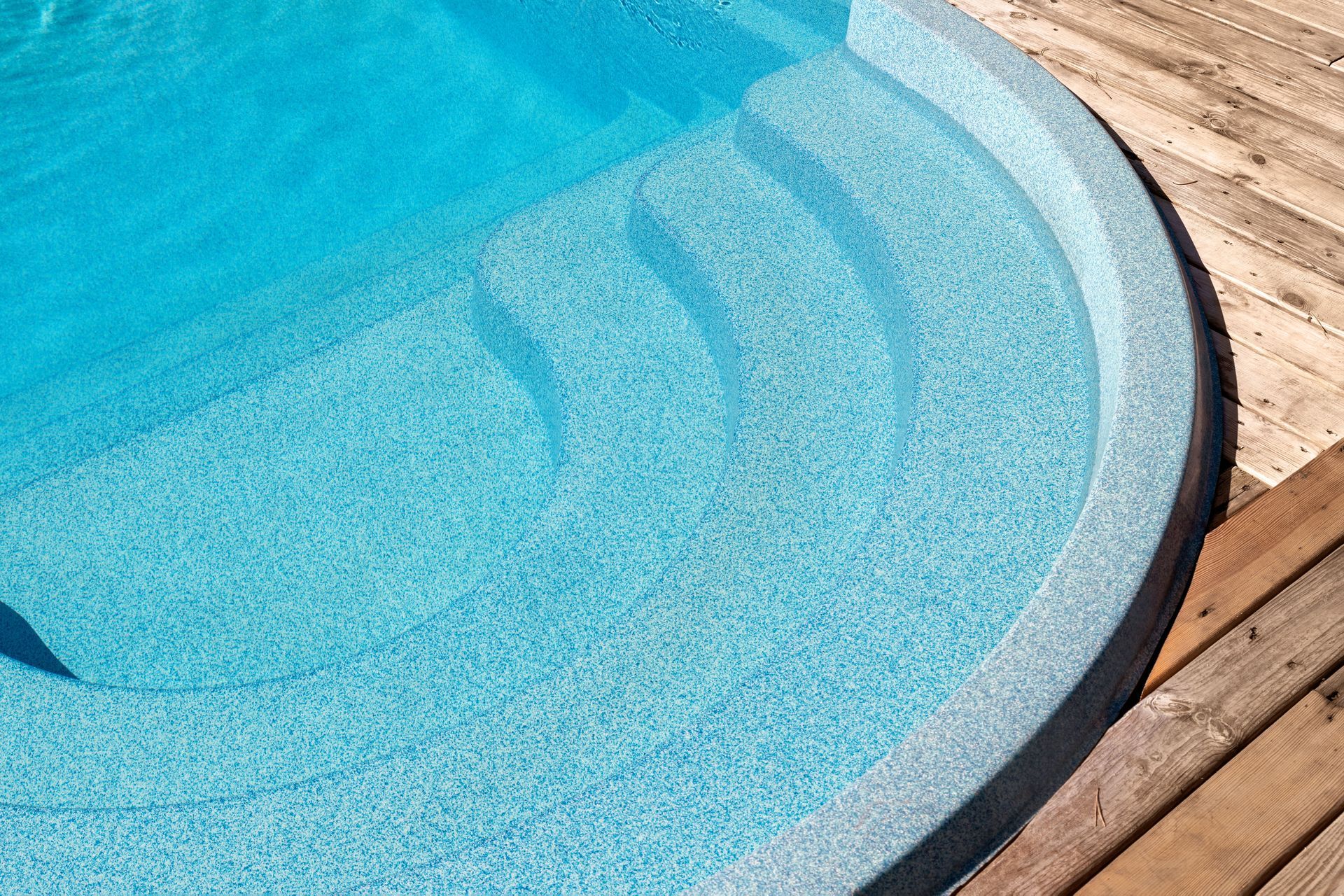
Concrete construction allows homeowners to customize entry steps, benches, and other structural elements to accommodate different needs. However, safety planning should extend beyond the pool itself to surrounding walkways, lighting, and outdoor gathering spaces. Consulting qualified professionals about applicable building codes and safety standards helps ensure that the finished installation meets relevant requirements. Incorporating these considerations early can reduce the need for costly modifications later.
Determining whether a concrete swimming pool is right for your backyard requires balancing design preferences, available space, construction expenses, and long-term responsibilities. Concrete pools offer exceptional flexibility for customized shapes, features, and finishes, but they also involve substantial planning, ongoing maintenance, and potentially lengthy construction schedules. Evaluating your property's soil conditions, drainage, accessibility, and safety requirements helps establish realistic expectations before work begins. Professional guidance can make concrete pool installation more manageable by identifying practical design options and potential challenges. With thoughtful preparation, homeowners can create an attractive outdoor environment that supports recreation and relaxation for years to come. If you're considering adding a customized swimming pool to your property, contact Top Tier Pools, LLC today to discuss your ideas and explore your installation options.