March 10, 2026
This article provides an in-depth guide on the timeline for pool installation, from initial planning to the final touches. Understanding each stage helps homeowners set realistic expectations for their pool project. While the prospect of having a new pool is exciting, it involves several steps that require meticulous planning and execution. From choosing the design to the eventual handover, pool installation is a complex process that demands time and resources. By exploring each phase thoroughly, homeowners can anticipate challenges and plan accordingly, ensuring a seamless transition from conception to completion.
Planning and Design Phase
The planning and design phase of pool installation is critical as it sets the foundation for the entire project. To start, assessing site conditions is an essential first step. This involves understanding the topography, soil type, and any potential impediments like utility lines that may affect the installation. A professional surveyor might be engaged to ensure accuracy in measurements and site analysis. This step usually takes about one to two weeks, depending on the complexities of the terrain.
Choosing the pool design is equally significant, as it defines the structure and aesthetic of the pool. Homeowners must consider the size, shape, and depth that best suits their needs and fits within the available space. Collaboration with professional designers can maximize the use of space and incorporate desired features like water fountains or slides. Engaging an architect or a specialized pool designer can take an additional week. It's essential to align the design choice with the budget and project timeline to avoid costly adjustments later.
Obtaining permits is a mandatory step in most jurisdictions and can significantly impact the project timeline. This process requires complying with local building codes and may involve submitting detailed plans for approval. According to HomeAdvisor, building an in-ground pool usually takes about two to three months from obtaining permits to being swim-ready. Permit approval can take anywhere from a few days to several weeks, depending on the local authorities' workload. Budgeting and financing should also be initiated during this phase, ensuring funds are available for each stage of the pool installation process.
Excavation and Groundwork
Once planning is complete, excavation and groundwork mark the physical start of the pool installation. Site preparation is crucial and may include clearing the area of vegetation, debris, and any existing structures. This requires heavy machinery and skilled operators to ensure precision and safety. Contractors usually allocate a week for site preparation, but additional time may be necessary if land conditions are more complex. Stakeholders need to closely monitor this phase to address any preliminary issues efficiently.
The excavation process involves digging out the pool's shape and depth as per the design plans. This step is labor-intensive and demands coordination with skilled workers operating excavators and backhoes. Weather conditions can significantly impact the pace of excavation, as rain can halt progress and affect the soil's stability. Unexpected ground issues, such as hitting rock formations or encountering utility lines, can cause delays and necessitate immediate solutions. It's essential to have contingency plans in place to manage these potential setbacks.
Structural and Mechanical Installation
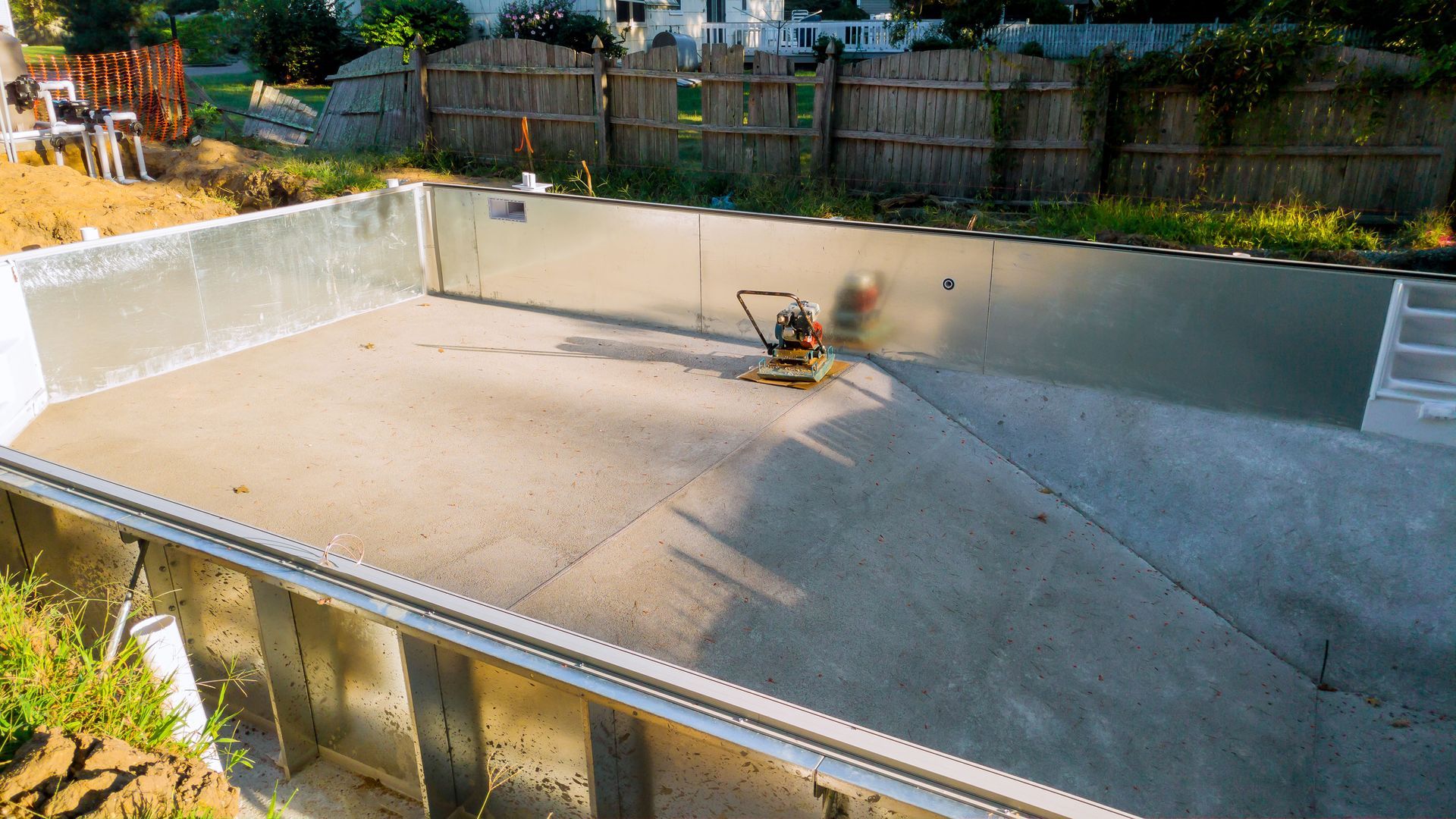
With groundwork complete, the structural and mechanical installation phase builds the pool's backbone. Constructing the pool structure involves reinforcing the excavation with steel rebar and concrete to ensure durability and longevity. This intricate process can take several weeks, particularly for larger or more elaborate designs. Precision is crucial in this phase to prevent structural weaknesses that may lead to future repairs or safety hazards. Regular inspections throughout this period can help maintain quality control and ensure structural integrity.
Plumbing installation is an integral component that ensures water efficiently circulates through the pool. Specialized piping is installed to facilitate water inlets and outlets, connecting the main pool drain with the filtration system. Proper alignment and secure connections are vital to prevent leaks and maintain water quality. Simultaneously, electrical systems are set up to power filtration, lighting, and any additional features like heaters or automated covers.
Finishing Touches
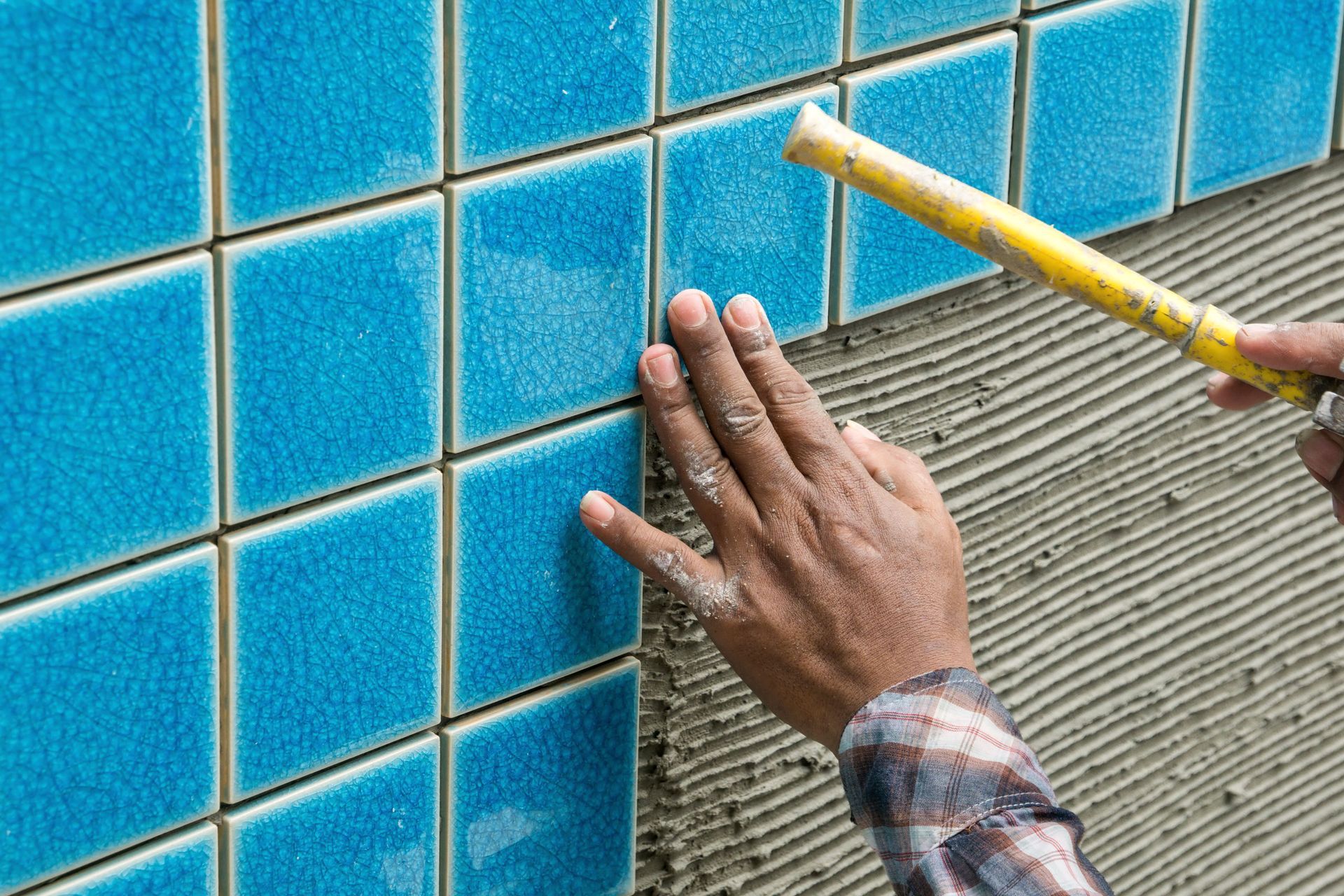
With the main structure in place, finishing touches add personality and functionality to the pool area. Tiling and coping enhance visual appeal and provide a durable surface for the pool interior and edges. Various materials, such as stone, concrete, or porcelain, are selected based on aesthetic preferences and budget constraints. This process can be intricate and time-consuming, often taking two to three weeks, depending on the complexity and scope of the design. Contractors work with precision to ensure longevity and resistance to pool chemicals.
Pool deck installation follows, creating a functional space for lounging and accessibility. The deck material must integrate well with the surrounding environment and meet non-slip safety standards. Options include pavers, wood, or composite materials, each offering unique benefits and requiring different upkeep levels. Landscape considerations come into play to ensure the deck complements the overall visual theme and affords adequate space for furniture and accessories. Completion of this phase synchronizes with the final pool inspections.
Filling and Balancing the Pool
With the pool structure completed, the filling and balancing phase ensures water readiness. The pool filling process begins by gradually introducing water to prevent pressure damage to the new surfaces. Specialists often monitor this to ensure even filling and prevent airlocks in the plumbing system. Initial water treatment is applied to sanitize and prepare the pool for balancing. This stage can take several days to a week, with timeframes adjusted for pool size and initial fill rates.
Balancing chemicals is crucial to establishing a safe and enjoyable swimming environment. Water chemistry must be precisely aligned to maintain clarity, prevent scaling, and deter algae growth. Various chemicals, including chlorine, algaecide, and pH balancers, are introduced in controlled amounts. Contractors perform thorough testing to achieve optimal conditions and prevent damage to pool surfaces or equipment. Careful chemical management is vital and often monitored through follow-up tests after the pool is operational.
Final Inspection and Handover
The final inspection and handover mark the project's conclusion, transitioning ownership from contractor to homeowner. A comprehensive inspection verifies that all installations adhere to design specifications and safety regulations. Inspectors check structural and mechanical components, ensuring that previous phases' corrections were successfully implemented. Addressing snagging issues, such as minor repairs or adjustments, can occur during this stage to refine the pool's final presentation. Completing these final checks ensures a high standard of execution and homeowner satisfaction.
Following inspection, a formal handover from the contractor finalizes the installation. Contractors brief homeowners on maintenance practices, system operations, and practical usage guidelines. This training imparts essential knowledge to ensure proper pool care and prolongs equipment lifespan. Questions from the homeowner are addressed, providing clarity on aspects ranging from cleaning routines to troubleshooting common issues. The exchange of contact information maintains an open line of communication for future assistance or inquiries.
By understanding the detailed timeline of pool installation, potential pool owners can better anticipate the duration and ensure a smooth process. Each phase brings its unique challenges, but with careful planning and coordination, building the pool of your dreams can be a gratifying experience. From assessing initial site conditions to final inspections and handover, each step is integral to the overall success. Close collaboration with skilled professionals enhances the quality and longevity of the pool. Armed with awareness and strategy, homeowners are empowered to transform their backyard into a dream retreat. Partner with Top Tier Pools, LLC today to start planning your dream pool.